Explore Our Network of Sites
Find Your City

As Mill Valley, California, works to build a culture of biking, the city is involving its youngest residents.
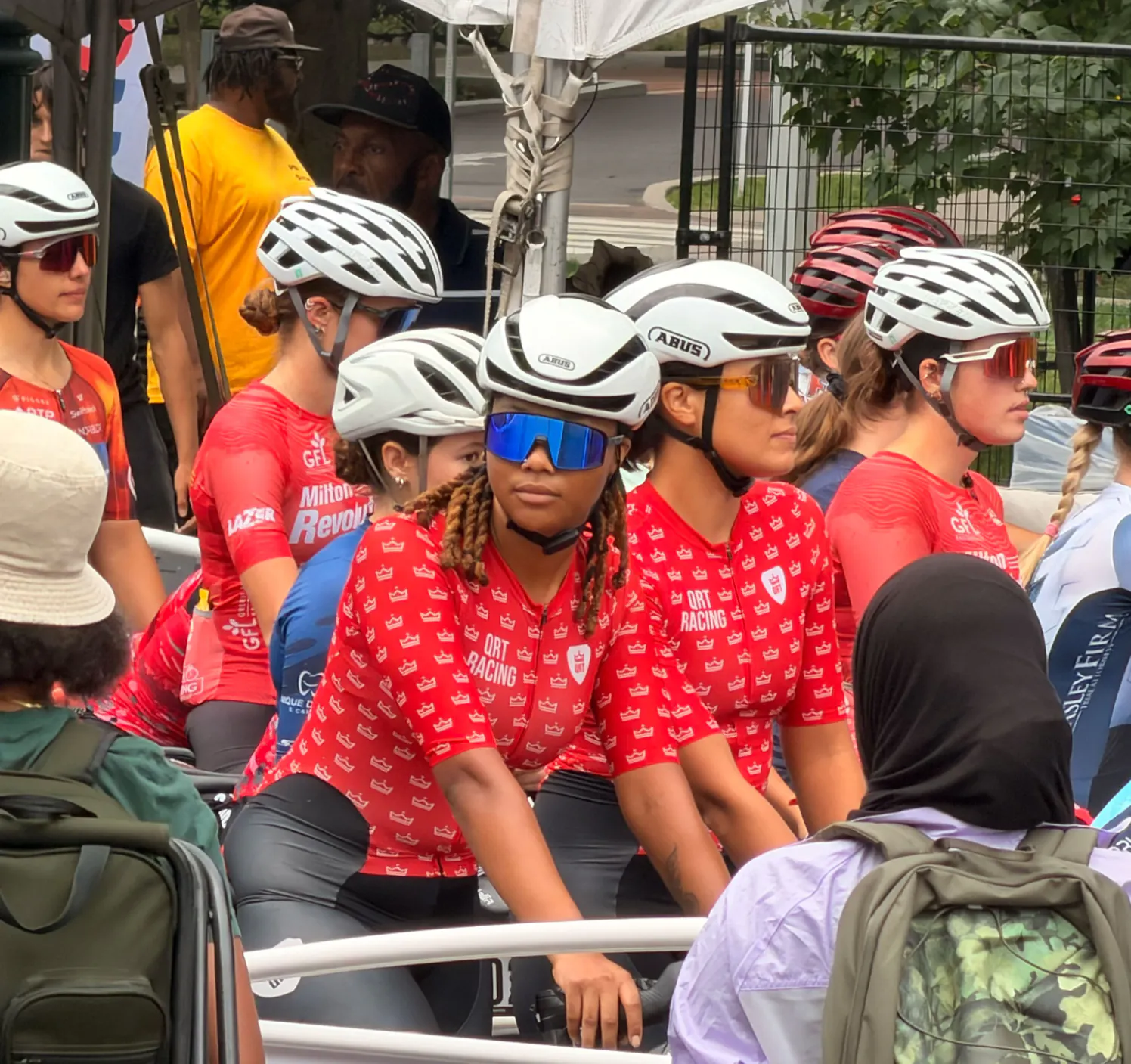
I lived two blocks from the top of the famous Manayunk Wall until 2011. On Sunday, five women from a club that didn't exist back then raced through my old neighborhood.
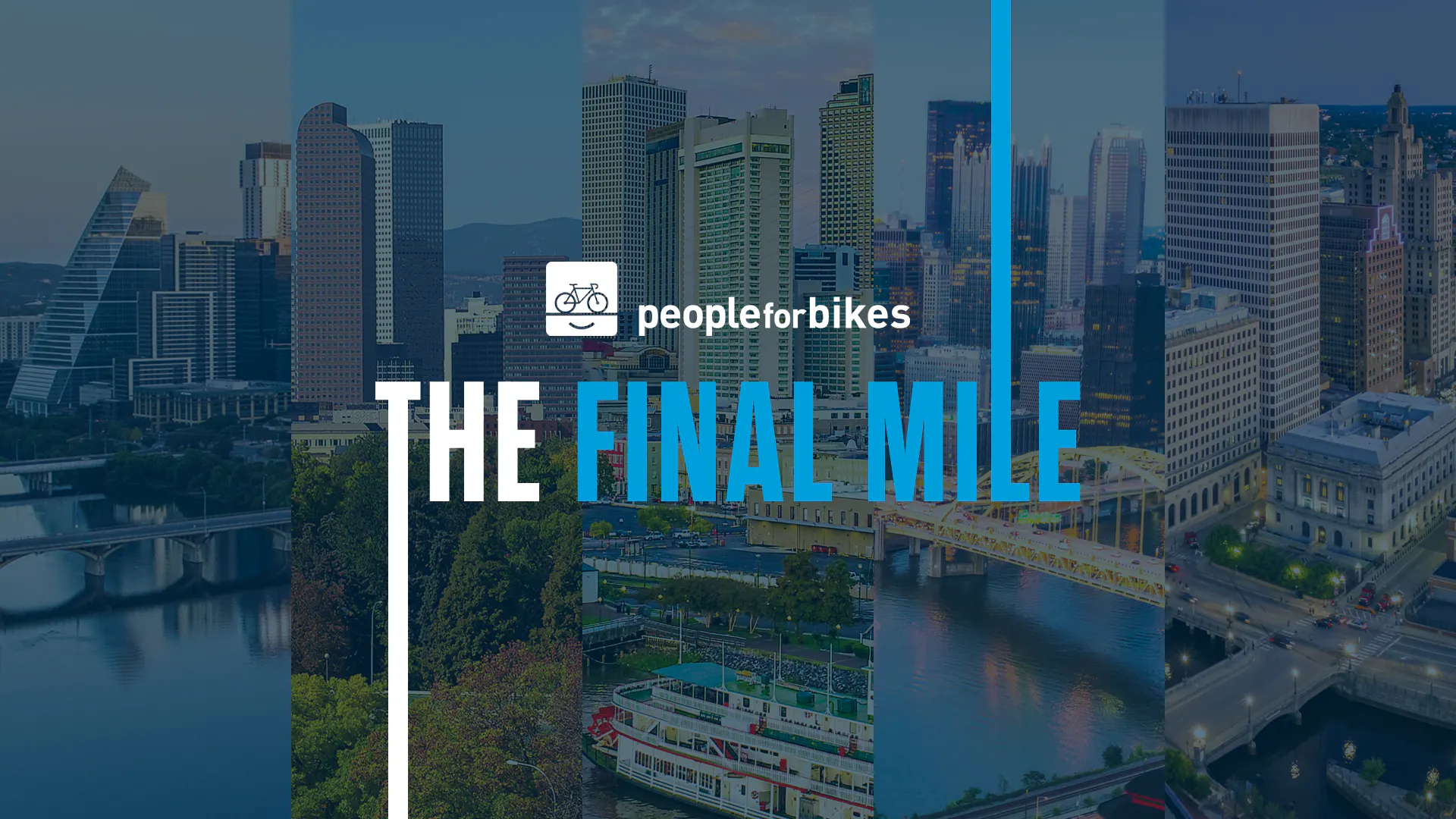
Austin, Denver, New Orleans, Pittsburgh, and Providence prove what happens when a two-year sprint leads to lasting change in safe, connected bike networks.

High-scoring communities in this year’s City Ratings aren’t just building connected bike networks — they’re growing the next generation of riders, one confident kid at a time.

Connected bike networks do more than get kids to class. They build the habits, confidence, and independence that create riders for life.
A committed city council and connected bike network didn’t happen overnight. Here’s what it took to land on our radar as a 2026 City to Watch.
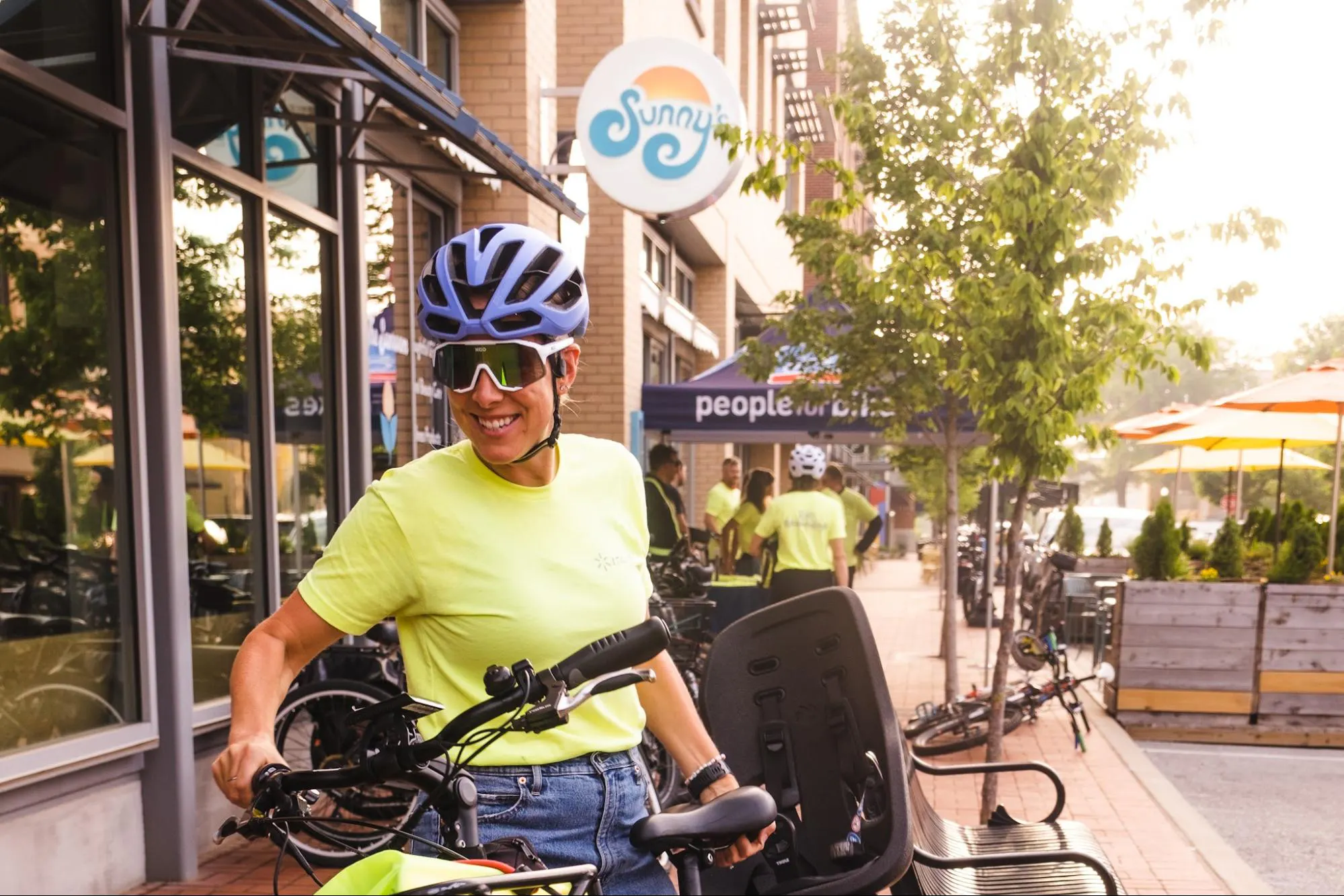
Bentonville established its reputation on trails. Its 2026 City Ratings score of 50 shows what happens when a community goes even further.

From North Dakota to Louisiana, communities throughout the Heartland are proving that connected transportation networks are built through dedicated local leadership, long-term vision, and a commitment to making communities safer for the people who live there.
This year’s City Ratings includes 3,019 U.S. communities with an impressive 555 cities scoring 50 or higher, showcasing nationwide momentum for safe, connected places to ride.
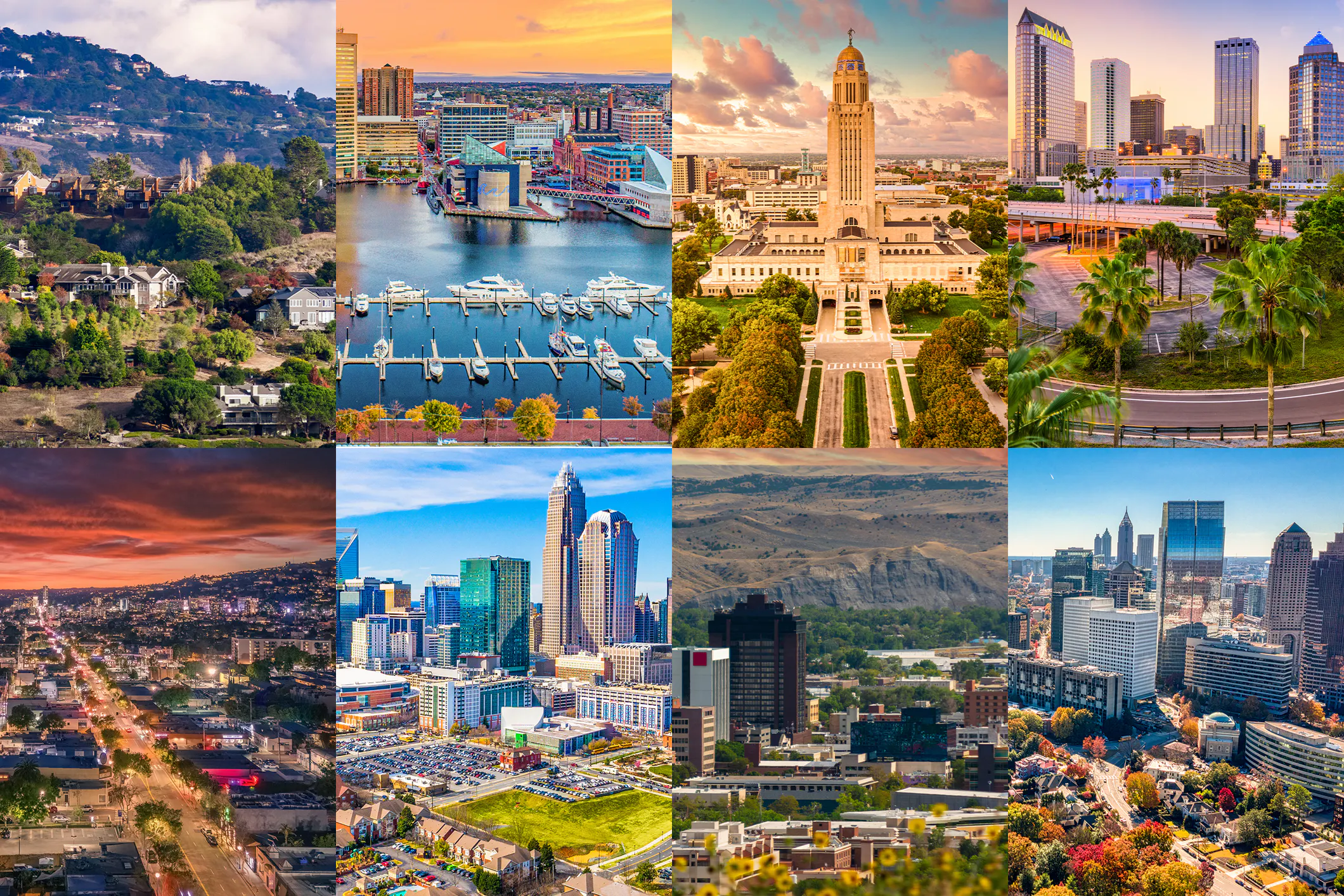
From California to Georgia, cities across the U.S. are putting in the work to make biking better — and their City Ratings scores reflect that progress.
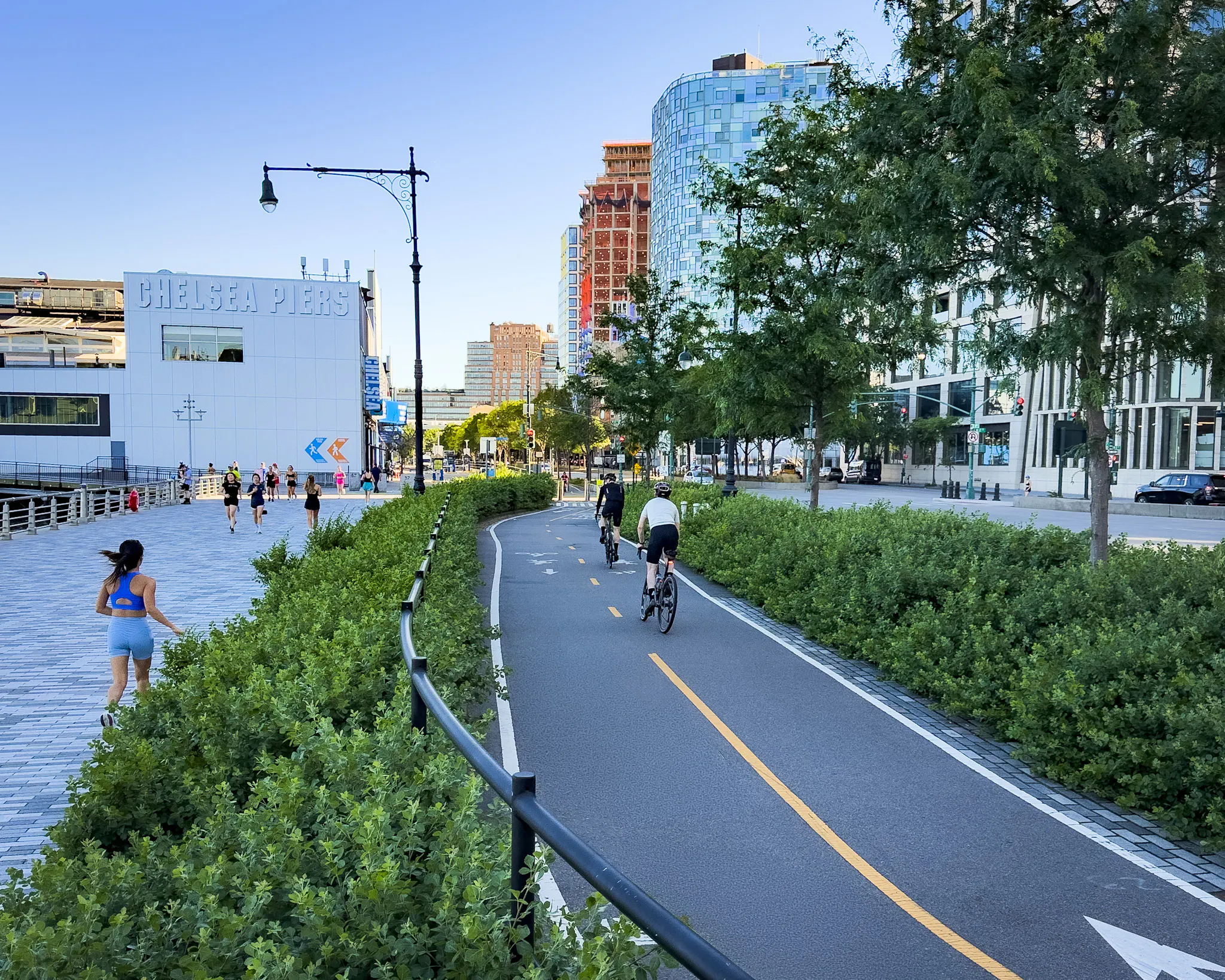
American cities are building better bike networks, and the numbers in PeopleForBikes’ 2026 City Ratings reflect it: 555 cities scored 50 or higher, up from 234 in 2025.
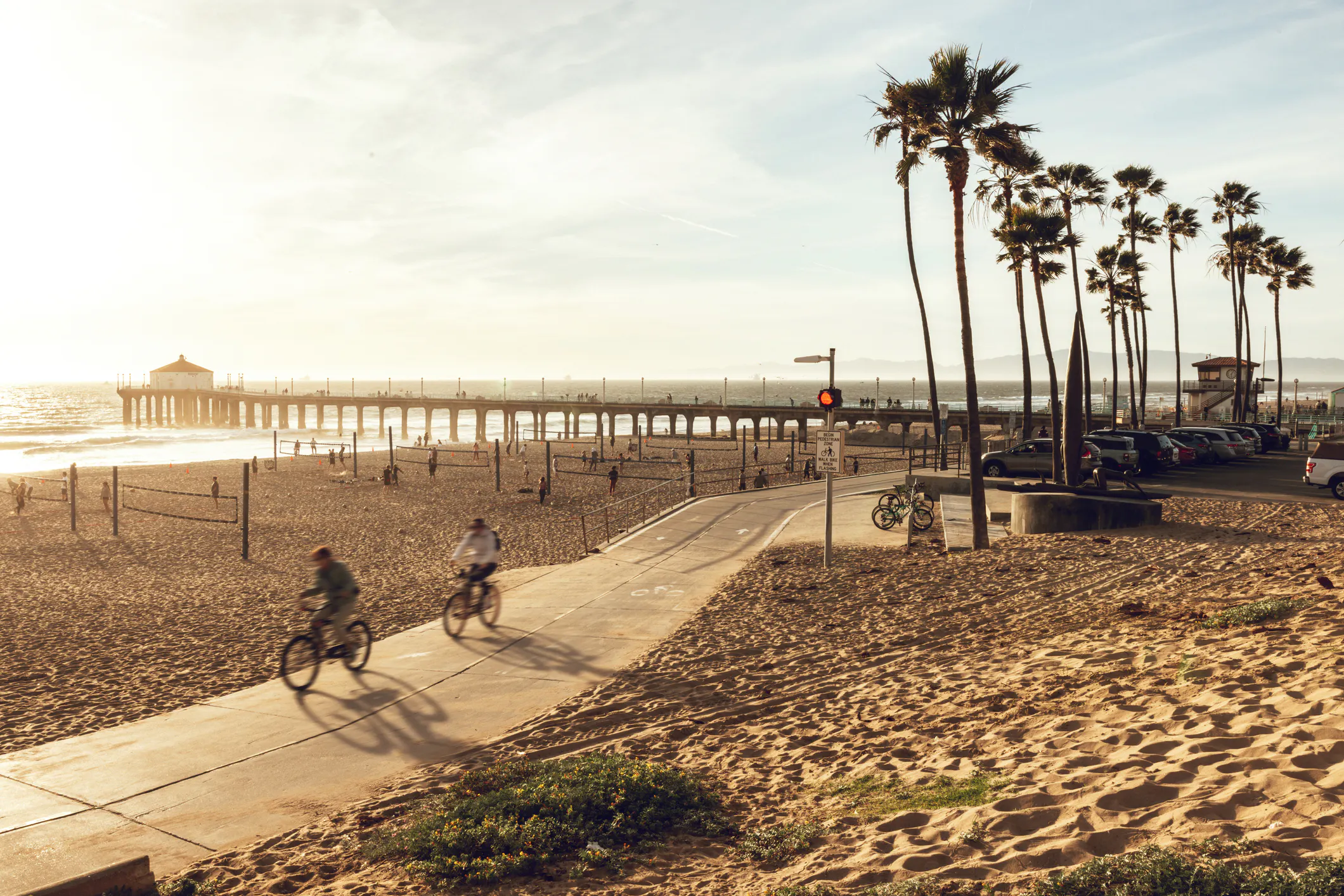
In two years, Paris became the first truly bikeable Olympic host city and left a permanent legacy of better, safer cycling. Ahead of the 2028 Olympics, Los Angeles can follow suit.
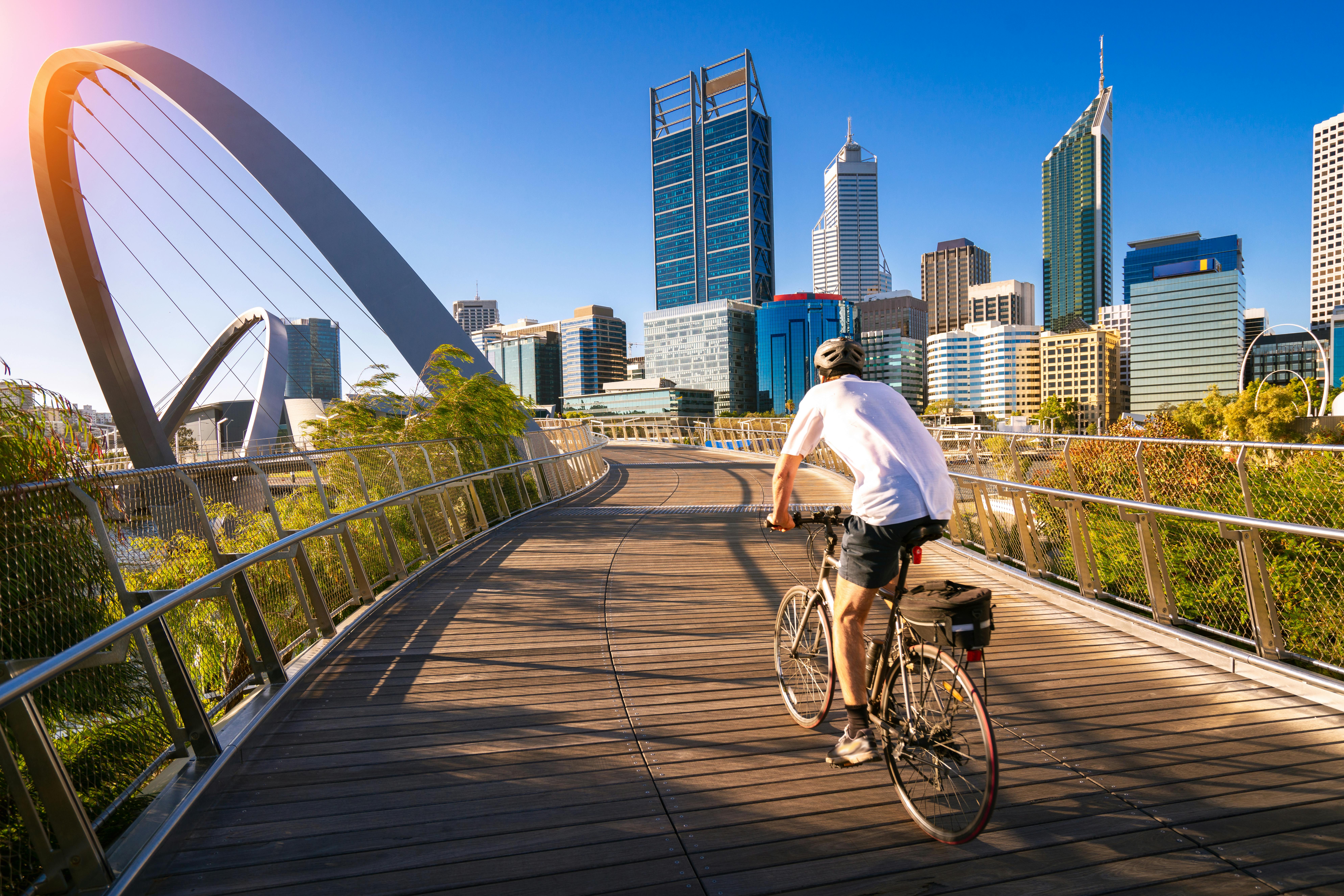
Learn why great places to ride benefit everyone and see how your community’s network of great places to ride ranks with PeopleForBikes’ City Ratings.
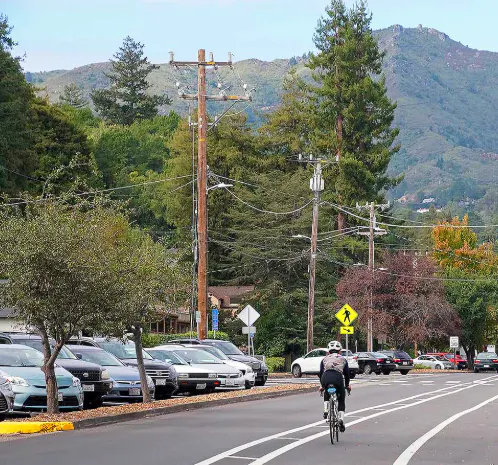
Mill Valley has selected PeopleForBikes’ City Ratings and SPRINT principles to target the most impactful efforts that will improve biking locally and track progress as they kick off multiple initiatives designed to achieve lofty goals aligned with the city’s heritage.
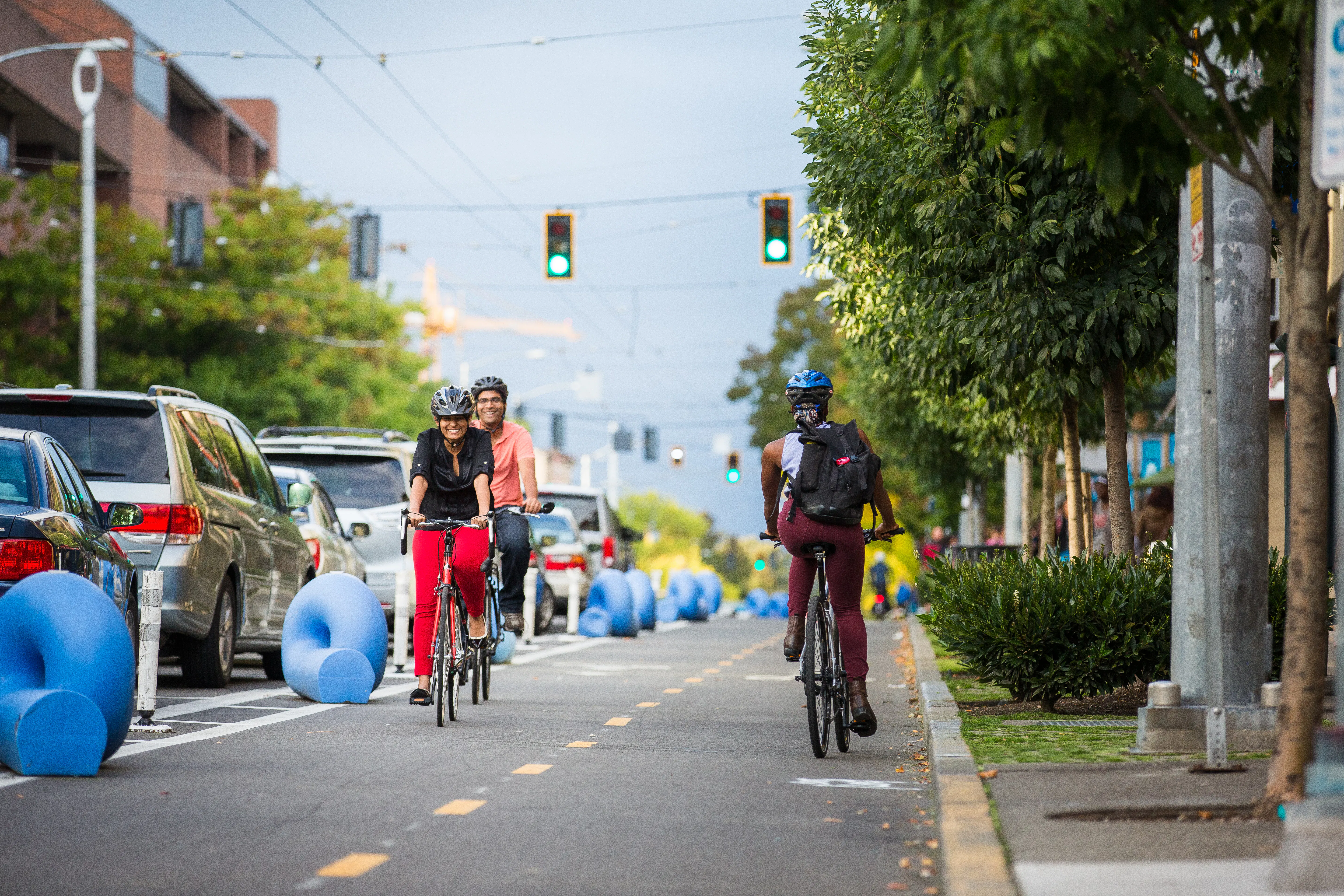
Protected bike lanes don't just keep cyclists safe. Data from cities across the country shows they dramatically reduce injuries and deaths for pedestrians and drivers, too.
 Find Your City